Hayes Town centre carpet cleaning guide for UB3 homes
If you live in UB3, you already know carpets take a bit of a beating. Mud from a wet walk through Hayes Town centre, drink spills after a late takeaway, tracked-in grit from busy pavements, pet hair, school shoes, the lot. This Hayes Town centre carpet cleaning guide for UB3 homes is here to help you make sensible choices, avoid costly mistakes, and keep your carpets looking decent for longer. Whether you are dealing with one stubborn stain or planning a full-room refresh, the basics are the same: know your carpet, choose the right method, and do the prep properly.
Truth be told, carpet cleaning is one of those jobs that sounds simple until you actually start. Water, heat, fibre type, drying time, old stains, new stains, and a little bit of wishful thinking can all get in the way. So let's make it straightforward. Below you'll find a practical, local-minded guide covering what matters, how the process works, when it's worth getting help, and what good results should look like in a typical UB3 home.
For homeowners comparing service options, it can also help to look at the provider's wider approach to professional carpet cleaning, steam carpet cleaning, and related care services such as stain removal or pet stain and odour removal. That gives you a better feel for whether the process matches your home, not just your search terms.
Table of Contents
- Why Hayes Town centre carpet cleaning guide for UB3 homes Matters
- How Hayes Town centre carpet cleaning guide for UB3 homes Works
- Key Benefits and Practical Advantages
- Who This Is For and When It Makes Sense
- Step-by-Step Guidance
- Expert Tips for Better Results
- Common Mistakes to Avoid
- Tools, Resources and Recommendations
- Law, Compliance, Standards, or Best Practice
- Options, Methods, or Comparison Table
- Case Study or Real-World Example
- Practical Checklist
- Conclusion
- Frequently Asked Questions
Why Hayes Town centre carpet cleaning guide for UB3 homes Matters
Hayes Town centre sits in a very practical part of west London. Homes in UB3 often see a mix of family traffic, commuting dust, local shopping trips, and the everyday mess that comes from real life. Carpets in hallways, living rooms, stairs, and bedrooms can hold onto grit and grime long before they look obviously dirty. That is the sneaky bit. They do not always scream for help until the pile starts to flatten or the room smells a little stale.
Carpet cleaning matters because carpets are both visible and functional. They affect how a room feels underfoot, how clean the air feels, and how welcoming the space looks when someone walks in. If a carpet is full of embedded soil, it can wear faster, trap odours, and make even a tidy room feel off. And once dirt settles deep into the fibres, a quick vacuum only does so much.
In UB3 homes, there are also some very common local patterns. You may have a front room that gets constant use, a hallway that catches outdoor debris, or a family carpet that sees socks, snacks, and occasional panic-cleaning after dinner. Happens to the best of us. A proper clean is not about making things look fancy for five minutes; it is about restoring the carpet so it lasts, smells fresher, and feels better day to day.
Expert summary: if your carpet has visible soiling, lingering smells, flattened traffic lanes, or stains that keep returning after spot cleaning, it is usually time for a deeper clean rather than another quick scrub.
How Hayes Town centre carpet cleaning guide for UB3 homes Works
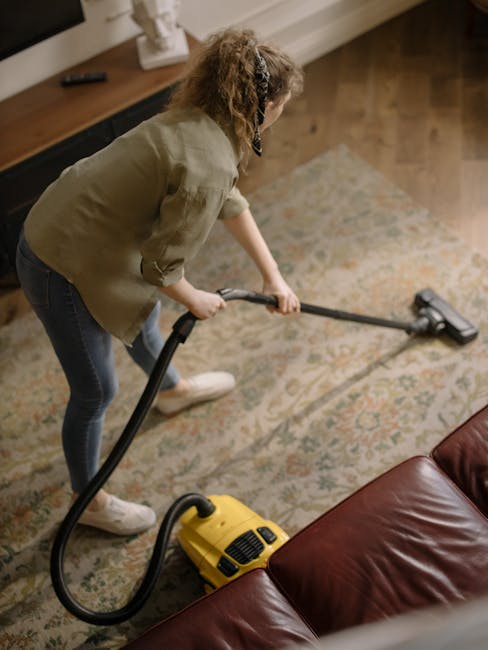
Most carpet cleaning jobs follow a sensible sequence, even if the equipment changes from one method to another. First comes inspection. A good cleaner will look at the fibre type, the carpet condition, the stain history, and any problem areas such as pet zones or heavy footfall. That matters because wool, synthetic blends, and delicate loop piles all behave differently.
Next comes dry soil removal. This is a bit unglamorous, but it is one of the most important steps. Vacuuming and agitation remove loose grit before moisture is introduced. If that debris stays in the carpet, it can turn to sludge during cleaning, and nobody wants that. Not pleasant, not efficient.
After that, the carpet is usually pre-treated. That means a suitable cleaning solution is applied to help loosen oil, grime, and spots. In some cases, stubborn stains need targeted attention with specialised stain treatment. Then the main cleaning method is used, often either hot water extraction or a lower-moisture approach depending on fibre, drying needs, and soil level.
Finally, the carpet is rinsed or extracted, and airflow is used to support drying. In a real home, drying time is a big practical factor. You do not want to clean the carpet at 9pm and then tread across it with wet socks at midnight. Better planning helps more than people think.
If you are comparing methods, it may be useful to check how a provider describes steam carpet cleaning alongside broader carpet cleaning options. The wording should be clear, not vague. A good sign is when they explain what happens before cleaning, what happens after, and how they manage drying.
Key Benefits and Practical Advantages
A well-done carpet clean gives you more than a brighter floor. It can make a room feel more comfortable, reduce the dusty look that builds up over time, and help carpets cope better with everyday life. In UB3 homes, that often means hallways feel less gritty, living rooms look fresher, and bedrooms stop holding onto that slightly tired smell that sneaks in after a long winter.
- Better appearance: traffic lanes, dull patches, and small spills become less obvious.
- Improved freshness: odours from pets, cooking, or general use are reduced rather than masked.
- Longer carpet life: removing embedded grit helps reduce fibre wear.
- More comfortable rooms: the carpet feels softer and looks more inviting.
- Smarter maintenance: regular cleaning can make future spot cleaning easier.
There is also a practical money angle, although it is not always discussed enough. A carpet that is cared for properly tends to stay serviceable longer, which can delay the need for replacement. That is especially useful in busy family homes, rental properties, or ground-floor rooms that take a lot of contact with shoes, pushchairs, or pets.
To be fair, some people only notice the difference after cleaning is complete. The room suddenly looks lighter. The curtains seem cleaner too, even though nothing touched them. It is a small domestic magic trick, really.
Who This Is For and When It Makes Sense
This guide is useful for a fairly wide range of UB3 households. If you live near Hayes Town centre and your carpet gets regular foot traffic, you are in the target group already. It also makes sense if you are preparing for guests, moving out, moving in, or trying to bring an older room back to life without replacing the flooring.
It is especially relevant if you are dealing with:
- family homes with children and spill-prone rooms
- pet households where fur and odours settle into the pile
- renters who want to leave the property in good condition
- landlords who need a presentable finish between tenancies
- busy homes with hallways, stairs, or landing carpets that show wear quickly
- people sensitive to dust who want a cleaner-feeling living space
It also makes sense when a carpet looks "mostly fine" but no longer feels fresh. That is often the stage people miss. The carpet is not ruined, not by a long shot, but it is carrying enough built-up soil that the whole room seems a bit flat. Why wait until stains become a proper headache?
If you have other soft furnishings in the same space, it can be sensible to coordinate your cleaning plan with upholstery cleaning or even sofa cleaning. Matching up those jobs can make a room feel much more consistent afterwards.
Step-by-Step Guidance
Here is the simple, practical way to approach carpet cleaning in a Hayes Town centre UB3 home. It is not complicated, but doing the steps in the right order matters.
- Identify the carpet type. Check whether the carpet is wool, synthetic, blended, or something more delicate. If you are unsure, test any treatment carefully and avoid aggressive products.
- Vacuum thoroughly. Go slowly over high-traffic areas, edges, and under furniture where possible. A rushed vacuum is better than nothing, but only just.
- Deal with fresh spills quickly. Blot, do not rub. Use a clean cloth and work from the outside in so the stain does not spread.
- Pre-treat the problem spots. Target entryways, food marks, pet areas, and traffic lanes before the main clean.
- Choose the right cleaning method. Heavier soil and larger areas often suit hot water extraction; lighter refresh jobs may need a lower-moisture approach.
- Extract as much moisture as possible. Too much left behind means slower drying and a greater chance of that damp carpet smell.
- Ventilate the room. Open windows if weather allows, use airflow, and keep pets and foot traffic off the carpet until it is properly dry.
- Inspect after drying. Check whether spots have reappeared as wicking stains, which can happen when residue rises from deeper in the pile.
A small tip that saves hassle: if you are cleaning a room in stages, start with the least dirty section and work towards the most soiled area. Otherwise, you can end up dragging muck through clean sections. That is one of those annoyingly avoidable mistakes.
Expert Tips for Better Results
The best results usually come from restraint, not aggression. People often assume more scrubbing means more cleaning. In practice, heavy scrubbing can distort fibres, spread stains, or push residue deeper. Gentle, patient work tends to win.
Here are the habits that usually make the biggest difference:
- Vacuum before and after cleaning. Before to remove grit, after drying to lift the pile again.
- Use the smallest effective amount of moisture. Especially on stairs or in rooms with limited airflow.
- Keep a white cloth nearby. Coloured towels can hide transferred dye or stain residue.
- Work on spills as soon as you see them. Fresh stains are always easier than old ones. Always.
- Test on a hidden corner. Particularly if the carpet is wool or has a patterned finish.
- Improve room airflow. A fan or opened window can reduce drying time noticeably.
Another good rule: treat the cause, not just the mark. For example, a recurring spot near a sofa may be a drink drip, not a one-off accident. A hallway dark patch may be plain old foot traffic rather than a stain at all. Understanding the source helps you choose the right response.
If you are dealing with a stubborn patch, the page on stain removal can be a useful companion point of reference. And if the issue is pet related, pet stain odour removal is usually the more relevant route than generic spot cleaning. Little detail, big difference.
Common Mistakes to Avoid
Let's face it, carpet cleaning mistakes are often made with the best intentions. Someone spots a stain, grabs the nearest spray, starts rubbing hard, and suddenly the mark is larger, the pile looks rough, and the smell is worse. It happens.
- Rubbing instead of blotting: this pushes the stain deeper and roughs up the fibres.
- Using too much detergent: residue attracts dirt later and can leave the carpet sticky.
- Soaking the carpet: oversaturation slows drying and can cause odours or backing issues.
- Skipping vacuuming: loose grit turns into abrasive paste during cleaning.
- Mixing random products: this can create chemical reactions or simply make the problem harder to remove.
- Ignoring drying time: walking on damp carpet can flatten the pile and transfer dirt back in.
- Using the wrong method for the fibre: what works on synthetic carpet may not suit wool.
A quieter mistake is doing nothing because the carpet does not "look that bad." By the time the wear pattern is obvious, the fibres may already be carrying a lot of embedded soil. A good clean earlier on is usually easier and less stressful than a rescue job later.
Tools, Resources and Recommendations
You do not need a van full of kit to keep a carpet in reasonable shape. A few well-chosen tools are usually enough for regular home care. If you are building a sensible routine in UB3, this is the practical shortlist.
| Tool or resource | What it helps with | Best used for |
|---|---|---|
| Vacuum with good suction | Removes grit, dust, hair, and loose debris | Weekly maintenance and pre-clean prep |
| Clean white cloths | Blotting spills without colour transfer | Fresh spot treatment |
| Soft brush or carpet rake | Lifts pile and helps loosen dry debris | Traffic lanes and post-clean finishing |
| Suitable carpet cleaner | Supports stain and soil removal | Targeted treatment and full-room cleaning |
| Airflow support | Speeds up drying | After deep cleaning |
If you are looking for a company page to compare service scope, curtain cleaning and mattress cleaning can be useful references because they show whether the business handles more than one soft furnishing type. That usually tells you something about how they work with fabrics, drying, and household care more broadly.
For a broader picture of the company's approach to service quality and background, it can also be worth checking about the team, along with practical information on pricing and quotes and insurance and safety. Those details help you judge trust as well as technique.
Law, Compliance, Standards, or Best Practice
For home carpet cleaning, there is usually no complicated legal hurdle for a typical household job, but there are still sensible standards and duties to keep in mind. In the UK, basic consumer expectations apply: services should be described clearly, delivered safely, and handled with reasonable care. That means honest communication about method, drying time, limitations, and any risks to the carpet.
Good practice also includes safe handling of cleaning products, careful attention to ventilation, and respect for fabric care instructions where available. If a carpet manufacturer gives cleaning guidance, that should be taken seriously. It is not glamorous advice, but it matters.
For households with children, pets, or anyone with sensitivities, it is wise to ask what products are used, how residue is reduced, and how long the room should stay off-limits. If a company has clear policies on health and safety and recycling and sustainability, that can be a useful sign that its approach is structured rather than casual.
There is also the customer-service side. Clear terms, transparent payment handling, and a sensible complaints process matter more than many people expect. They are not exciting, admittedly, but they tell you a lot about how a company operates when things do not go perfectly. And let's be honest, perfection is rare.
Options, Methods, or Comparison Table
Different carpets and households need different methods. The best choice is not always the "strongest" one; it is the one that fits the fibre, the soil level, and the room's drying capacity. Here is a simple comparison to help you think it through.
| Method | Best for | Pros | Watch out for |
|---|---|---|---|
| Hot water extraction | Deep soil, family homes, larger areas | Thorough clean, strong rinse, good for embedded dirt | Needs drying time and good ventilation |
| Steam carpet cleaning | Heavier grime and regular maintenance by professionals | Can reach deep into fibres and refresh the carpet well | Not every fibre suits the same approach |
| Low-moisture cleaning | Quick turnaround, lighter soil, delicate scheduling | Faster drying, useful where access is limited | May not suit heavily soiled carpets |
| Spot treatment only | Small marks or localised accidents | Fast and targeted | Does not solve overall dirt build-up |
For most UB3 homes, the deciding factors are simple: how dirty is the carpet, how much drying time do you have, and what is the fibre made from? If in doubt, ask for a method that balances cleaning strength with practical drying. That balance is the bit people often overlook.
Case Study or Real-World Example
Imagine a typical ground-floor living room in Hayes Town centre. The carpet is not ruined, but it has a dark track from the front door to the sofa, a faint smell from a pet-friendly household, and a couple of pale drink marks that have been there far too long. Nothing dramatic. Just enough to make the room feel a bit tired every evening at 7pm when the lamp goes on and the floor shows everything.
The sensible approach would be to vacuum thoroughly, pre-treat the traffic lane, identify the old drink marks, and deal with the pet area separately rather than assuming one product will fix all three issues. The room would then be cleaned with a method suited to the carpet type, followed by careful extraction and good drying airflow. If the sofa is also part of the same space, cleaning it at the same time can make the room feel fully refreshed rather than half-done.
That is the real lesson here: carpet cleaning works best when it is tailored. A one-size-fits-all spray job usually leaves something behind. A considered approach, even if it takes a little longer, is more likely to give a result you can actually live with.
One homeowner might notice the biggest change in smell. Another in colour. Another in how the carpet feels under bare feet on a chilly morning. Same job, different win.
Practical Checklist
Before you clean, run through this short checklist. It keeps the process calm, which sounds obvious, but calm is useful when there is a wet carpet in the middle of the room.
- Identify the carpet fibre and check any care instructions.
- Vacuum slowly and thoroughly, especially edges and entrances.
- Test any treatment on a hidden patch first.
- Blot fresh spills rather than rubbing them.
- Choose a method that matches soil level and drying time.
- Use only enough solution to do the job.
- Keep airflow going during and after cleaning.
- Avoid heavy foot traffic until the carpet is dry.
- Check for reappearing stains after the carpet has dried.
- Consider related soft furnishings if the room still feels incomplete.
Quick takeaway: the best carpet cleaning in UB3 is usually the one that starts with proper prep, respects the carpet fibre, and gives the floor enough time to dry fully.
If you are comparing providers, a careful look at terms and conditions and payment and security is not exciting, but it is smart. A decent operator should make those details easy to understand.
Get a free quote today and see how much you can save.
Conclusion
A good carpet cleaning plan for Hayes Town centre and wider UB3 homes is not about chasing perfection. It is about keeping everyday life under control. Dirt builds up. Spills happen. Pets leave evidence. Children, honestly, are tiny chaos engines with snack bags. The goal is simply to stay ahead of it.
If you understand the carpet type, clean in the right order, avoid the common mistakes, and give the carpet proper drying time, you will get a much better result. You will also make the room feel better to live in. That part matters more than people admit. A fresher carpet quietly improves the whole house.
And if you decide the job is bigger than a DIY clean, that is fine too. Sometimes the best decision is the simple one: get the right help, get it done properly, and move on with your week. Nice and steady.
Frequently Asked Questions
How often should carpets be cleaned in a UB3 home?
For many homes, a deeper clean every 6 to 12 months is a sensible range, but busy households, pets, and heavy foot traffic can make more frequent cleaning worthwhile. Hallways and living rooms usually need attention sooner than spare bedrooms.
Is steam carpet cleaning safe for all carpets?
Not always. Steam-style cleaning can work well, but the right method depends on the fibre type, pile construction, and drying conditions. Wool and delicate carpets need extra care, so it is better to match the method to the material rather than assume one process suits everything.
What is the best way to remove a fresh spill?
Blot it immediately with a clean white cloth, working from the outside of the spill inward. Avoid rubbing, because that spreads the mark and can damage the fibres. Use as little liquid as possible while you lift the stain.
Why does a stain sometimes come back after cleaning?
That is often called wicking. It happens when residue from deeper in the carpet rises back to the surface as the carpet dries. Proper extraction, careful rinsing, and enough drying time help reduce the risk.
Can I clean a carpet myself, or should I hire a professional?
Small spills and light refresh jobs are often manageable at home. But if you are dealing with large areas, stubborn stains, pet odours, or delicate fibres, professional carpet cleaning is usually the safer and more effective option.
How long does carpet drying usually take?
It depends on the cleaning method, room temperature, airflow, humidity, and carpet thickness. Some low-moisture methods dry faster, while deeper cleans can take longer. Good ventilation makes a bigger difference than many people expect.
Will carpet cleaning remove pet smells?
It can reduce or remove many pet smells, especially when the source is treated properly and not just masked. If the odour has soaked into underlay or backing, a more targeted approach may be needed. That is where specialist treatment can help.
Do I need to move furniture before cleaning?
It helps, but not every item needs to be moved in advance. Light items are easier to shift, while larger furniture may be cleaned around depending on access and the service agreed. Always check what the cleaner expects beforehand.
Is carpet cleaning worth it for rental properties in Hayes?
Usually, yes. A cleaner carpet can improve presentation between tenancies and make the property feel better cared for. It can also help when you are trying to hand over a home in good condition, which tends to avoid awkward conversations later.
What should I ask before booking a carpet cleaning service?
Ask what method they use, how they handle different carpet fibres, what drying time to expect, whether they are insured, and whether the quote includes pre-treatment or stain work. Clear answers are a good sign.
Can carpet cleaning damage the carpet?
It can, if the wrong method or too much moisture is used. That is why inspection matters. The safest approach is one that respects the fibre, uses controlled moisture, and avoids harsh scrubbing or random chemicals.
What makes carpet cleaning in Hayes Town centre different from anywhere else?
Mostly the practical conditions: local foot traffic, weather-related dirt, busy family routines, and the mix of older and newer homes in UB3. The principles are the same, but the real-world wear patterns are local and very recognisable once you have seen a few of them.
If you want a cleaner, fresher home without the trial-and-error, a careful carpet clean is one of the simplest wins you can make.