UB3 end of tenancy cleaning checklist for Hayes landlords
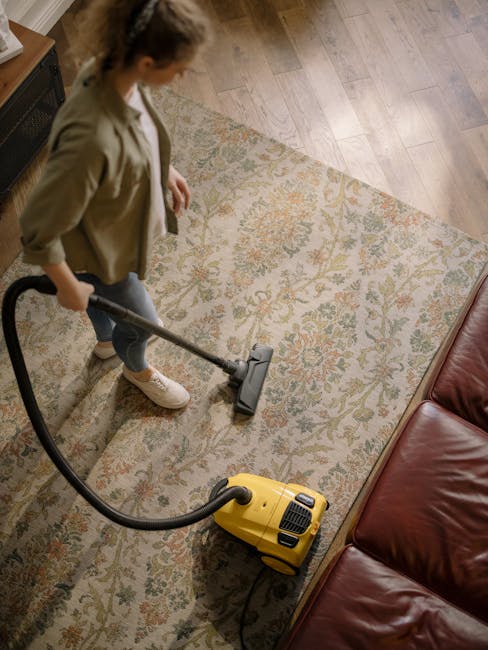
If you rent property in UB3, you already know how quickly a clean move-out can turn into a rushed scramble. Marks on skirting boards, a greasy oven, carpet traffic lanes, and that one mysterious stain in the living room can all become a deposit dispute if they are left unchecked. This UB3 end of tenancy cleaning checklist for Hayes landlords is designed to help you hand a property back in proper condition, with less stress and fewer surprises.
Truth be told, end of tenancy cleaning is rarely about "looking tidy". It is about making the place ready for the next occupant, protecting your investment, and showing that the property has been managed with care. In a busy rental market, that matters. So let's walk through what to check, what to prioritise, and where a professional clean can save you time, arguments, and a few headaches along the way.
Why UB3 end of tenancy cleaning checklist for Hayes landlords Matters
For landlords, end of tenancy cleaning is one of those jobs that seems straightforward until you inspect the property closely. A surface wipe will not deal with built-up limescale in a bathroom, stubborn odours in soft furnishings, or the fine dust that settles inside vents, window tracks, and corners. And if the home has been lived in for a while, little things add up fast.
In UB3 and the wider Hayes area, many rented homes see regular turnover, especially between family lets, shared homes, and short-term tenancies. That means each checkout needs a consistent standard. A good checklist helps you compare the property's condition fairly, room by room, rather than relying on memory or a rushed final walk-through.
There is another reason it matters: cleaner properties tend to photograph better, feel more inviting, and reduce the awkward first impression that can happen when a new tenant arrives to find yesterday's grime still lingering in the kitchen extractor. Nobody wants that. Not really.
Expert summary: A landlord checklist is not just about cleaning. It is a practical control tool for consistency, tenant expectations, deposit evidence, and faster re-letting.
How UB3 end of tenancy cleaning checklist for Hayes landlords Works
The process works best when you treat it as a sequence rather than a single cleaning event. First, inspect the property. Then separate routine cleaning from deeper restorative tasks. Finally, decide whether the job can be handled in-house or needs specialist support.
A solid end of tenancy clean usually includes the kitchen, bathroom, living areas, bedrooms, hallways, and any soft furnishings or floor coverings. Hard surfaces need degreasing and sanitising. Soft furnishings may need stain treatment or steam cleaning. Carpets, rugs, and upholstery often benefit from a deeper approach because they hold odours and embedded dirt that standard vacuuming simply cannot lift.
For landlords, the key is structure. Without a structured approach, one room gets polished while another is half-done. That is how disputes happen. With a checklist, you can move from ceiling to floor, from dry dusting to wet cleaning, and from visible surfaces to the hidden bits people forget until the final inspection.
If you are using professional help for floor coverings or furniture, it is worth choosing a provider that explains its methods clearly. You can review services like carpet cleaning, steam carpet cleaning, upholstery cleaning, and sofa cleaning as part of the wider planning process.
Key Benefits and Practical Advantages
A good checklist gives landlords a few very real advantages. It saves time, yes, but it also creates consistency. And consistency is what keeps move-out standards fair.
- Clearer handovers: Every room is checked against the same standard, so you are not relying on memory or guesswork.
- Better tenant relations: A clean, well-documented process is easier to explain if a tenant queries deductions or re-cleaning.
- Stronger presentation: Fresh kitchens, clean carpets, and odour-free rooms make the property easier to market.
- Less wear becoming damage: Early attention to stains, build-up, and damp areas prevents problems from getting worse.
- More predictable planning: You know what needs doing before the next tenancy starts, which makes scheduling simpler.
There is also a commercial angle. A property that feels cared for tends to attract better interest. That does not mean a spotless home guarantees a great tenant, of course, but it helps. And in a competitive letting market, every small advantage counts.
If budget planning matters, you may also want to look at pricing and quotes so you can compare the cost of a one-off specialist clean against the time and equipment needed to do it yourself.
Who This Is For and When It Makes Sense
This checklist is useful for private landlords, portfolio landlords, letting agents, and property managers handling residential lets in UB3. It is especially helpful when tenants have just moved out and you have a narrow window before the next viewing or check-in.
It makes sense to use a structured end of tenancy clean when:
- the previous tenants left visible marks, stains, or odours;
- the property includes carpets, rugs, curtains, sofas, or mattresses that have seen daily use;
- the tenancy ended in winter or during wet weather, when mud and moisture get dragged in;
- you need a consistent standard across several properties;
- you are preparing for inventory photos, marketing, or immediate re-letting.
It is also sensible if you have a tenant moving out after a longer tenancy. To be fair, a lived-in home can pick up all sorts of little build-ups. A bit of limescale here, a tired patch there, and suddenly the place looks more worn than it really is.
For landlords managing multiple rooms or furnished units, the checklist should also cover mattresses, curtains, and sofas. Those items hold on to odours and dust in a way that surprises people. You will notice it as soon as the windows are open and the room has that stale, closed-up smell. Not dramatic, just noticeable.
Step-by-Step Guidance
1. Start with a full inspection
Walk through the property before you clean anything. Open cupboards, check behind doors, and look at the high-touch areas people often ignore. Note stains, scuffs, and anything that looks damp, greasy, or damaged.
2. Remove loose debris and rubbish
Get the obvious stuff out first: bin bags, old food, broken items, left-behind hangers, and anything in drawers or under beds. A clear space is easier to clean properly. Simple, but surprisingly easy to skip when everyone is in a hurry.
3. Clean from top to bottom
Dust shelves, light fittings, tops of cupboards, curtain poles, and window ledges before you clean lower surfaces. Then work down to skirting boards, sockets, doors, and floors. This keeps dust from falling onto areas you have already cleaned.
4. Tackle the kitchen deeply
The kitchen is usually the hardest room, and the one most likely to cause friction. Pay close attention to the oven, hob, extractor hood, splashbacks, fridge, freezer, sink, taps, cupboard fronts, and handles. Degrease stubborn patches rather than wiping over them too quickly.
For burnt-on residue, a specialist clean often makes the difference between "acceptable" and "properly finished". If the cooking area has stubborn marks on the surrounding soft furnishings, you may also want to consider stain removal for targeted treatment.
5. Deep clean the bathroom
Bathrooms need more than a quick spray. Remove limescale, scrub grout lines, clean around taps and plugholes, and check for mildew in corners and around seals. Toilets, baths, showers, and sinks should all be cleaned carefully and rinsed well.
6. Refresh carpets and floor coverings
Vacuum slowly and methodically. Then inspect for traffic lanes, spots, pet issues, and embedded dirt. A landlord who ignores carpet condition often ends up dealing with the awkward middle ground: the room looks clean at a glance but not close up. If carpets are central to the property, specialist help through steam carpet cleaning can lift much more than a standard vacuum ever will.
7. Handle upholstery, curtains, and rugs
Soft furnishings need their own attention because they retain odour, dust, and accidental marks. Curtains pick up smells from cooking and heating. Rugs collect grit. Sofas and armchairs can hide spills that only show up in daylight. For a fuller refresh, consider curtain cleaning, rug cleaning, and upholstery cleaning.
8. Check bedrooms and mattresses
Even when bedrooms look clean, they often need a deeper look around wardrobes, bed frames, and window ledges. In furnished lets, mattresses deserve special attention because they can hold moisture, dust, and odour. A quick visual check is not enough. If the property is furnished, mattress cleaning can be an important part of the handover.
9. Finish with windows, doors, and details
Clean the inside panes, handles, frames, switches, vents, and skirting boards. These are the detail points tenants notice, even if they do not mention them outright. It is a bit like polishing shoes before a big meeting. Not the biggest job, but it changes the whole impression.
10. Do a final walk-through
Turn on the lights, stand in each room, and look again. Smell the space as well as looking at it. A room can appear clean but still feel off because of lingering odour or dampness. That final pause matters more than people think.
Expert Tips for Better Results
From experience, the best results come from being systematic rather than heroic. You do not need to scrub everything harder. You need to clean in the right order, with the right tools, and enough patience to let products work.
- Use dwell time: Let cleaning solutions sit for a moment before wiping. It helps lift grease and soap residue.
- Spot test first: Always test stain treatment on an inconspicuous area, especially on delicate fabric or older carpet.
- Separate the heavy jobs: Oven degreasing, limescale removal, and carpet extraction are different tasks. Treat them that way.
- Ventilate as you go: Fresh air helps drying and reduces that heavy chemical smell that can linger in closed rooms.
- Document as you clean: A few timestamped photos can be useful for your records, particularly for furnished tenancies.
If you are cleaning a whole flat in one go, start with the room that needs the most drying time, usually carpets or upholstery. That way, the rest of the work can continue while the fibres settle. It sounds small, but it saves time on the back end.
And if the property includes stubborn pet odours or visible pet wear, do not leave it until the final hour. Pet stain odour removal is much easier to sort properly when you catch it early, not after the windows have been shut for a week.
Common Mistakes to Avoid
One of the biggest mistakes landlords make is assuming "vacuumed and wiped" means cleaned. It does not. It means lightly tidied. There is a difference, and tenants can usually spot it straight away.
- Skipping the hidden areas: Behind radiators, under appliances, and around bed frames often holds a surprising amount of dirt.
- Ignoring odours: A property can look clean and still feel unpleasant if soft furnishings or carpets hold smells.
- Leaving the kitchen until last: Grease gets harder to remove when it has been left to cool and settle for too long.
- Using too much product: Over-wetting carpets or upholstery can leave residues, slow drying, and create fresh problems.
- Forgetting the inventory standard: The goal is not "looks okay to me"; it is "matches the expected return condition".
Another common one: not checking the property in daylight. Artificial lighting can hide smudges and patchiness. Morning light near a window often tells the truth, whether you want it to or not.
Tools, Resources and Recommendations
You do not need a warehouse full of gear, but you do need the right basics. A decent end of tenancy kit usually includes microfibre cloths, a vacuum with attachments, non-abrasive cloths, a mop, buckets, a limescale remover suitable for bathrooms, a degreaser for kitchens, and gloves.
For more difficult jobs, professional-grade equipment can make a real difference. Steam extraction is often far better for built-up carpet dirt than repeated surface cleaning. Similarly, upholstery and mattress care require specific methods to avoid over-wetting or spreading stains.
If you are comparing options, it can help to think in categories:
| Area | DIY approach | Professional approach | Best for |
|---|---|---|---|
| Kitchen | Sprays, cloths, manual degreasing | Deep degreasing and detailed finish | Heavy build-up, ovens, extractor areas |
| Carpets | Vacuuming and spot treatment | Hot water or steam-based cleaning | Traffic lanes, stains, odours |
| Upholstery | Light vacuuming and careful wiping | Specialist fabric treatment | Sofas, chairs, furnished lets |
| Bathrooms | Limescale removal and disinfecting | Deep descaling and detail clean | Stubborn mineral deposits, grout build-up |
On the operational side, landlords also benefit from knowing who they are dealing with. Pages such as about us, insurance and safety, and health and safety policy can help you assess whether a provider feels organised and professional. That is the kind of detail that matters when you are letting someone into a property you need turned around quickly.
Law, Compliance, Standards, or Best Practice
For landlords, the safest way to think about compliance is simple: check your tenancy agreement, follow your inventory evidence, and keep the cleaning standard fair, consistent, and documented. Avoid making assumptions about what can be deducted unless you have clear evidence of the property's condition before and after the tenancy.
Best practice usually means:
- using a written checklist for each checkout;
- keeping before-and-after notes where needed;
- not charging for normal fair wear and tear as if it were damage;
- making sure any specialist work is appropriate for the material;
- keeping communication calm and factual.
If you are unsure about deposit-related issues, the most sensible route is to keep your process transparent and consistent. The cleaner your records, the easier those conversations become. Not glamorous, but very practical.
It is also wise to use providers whose policies are easy to understand. You can review terms and conditions, payment and security, and privacy policy if you want reassurance around how bookings, payments, and customer data are handled.
Options, Methods, or Comparison Table
Not every property needs the same approach. A studio with hard flooring and minimal furniture is a very different job from a furnished family house with carpets, sofas, and curtains. Here is a simple comparison that helps landlords choose the right level of clean.
| Method | What it covers | Advantages | Limitations |
|---|---|---|---|
| Basic in-house clean | Visible surfaces, floors, bathrooms, kitchen wipe-down | Low upfront cost, flexible timing | Can miss deep dirt, odour, and fabric contamination |
| Targeted specialist clean | Carpets, upholstery, mattresses, problem stains | Good balance of cost and impact | Does not fully replace whole-property cleaning |
| Full end of tenancy deep clean | Entire property, including detail work and soft furnishings | Best for move-outs, furnished lets, and time pressure | Higher cost, needs planning |
For many Hayes landlords, the middle option is the sweet spot. Do the essentials in-house, then bring in specialist support where it really matters. That keeps costs sensible without cutting corners where corners count.
Case Study or Real-World Example
A practical example: a furnished two-bedroom flat in UB3 had standard wear after a two-year tenancy. The kitchen was the biggest concern, with grease on the extractor and cupboard handles, while the lounge carpet showed visible tracks along the main walking route. The sofa had a faint odour from regular daily use, nothing dramatic, just enough to notice when you walked in at 9 a.m. with the windows closed.
The landlord used a room-by-room checklist and split the work into two parts. The general clean covered the kitchen, bathroom, bedrooms, and hard surfaces. The specialist work focused on the carpet, sofa, and a couple of stubborn stains near the dining area. After drying, the property looked brighter, smelled fresher, and felt ready for viewings without that "recently lived in" heaviness that sometimes hangs around.
The useful part was not only the result. It was the process. Because the landlord had a checklist, they could see exactly what had been completed and what still needed attention. No guessing, no double-handling. Just a calmer turnover. Honestly, that alone can be worth a lot.
Practical Checklist
Use this checklist as a final landlord-friendly pass before the next tenancy begins.
- Remove all rubbish, personal items, and forgotten belongings.
- Check every room for dust, cobwebs, and marks on walls or skirting boards.
- Clean inside and outside of cupboards, drawers, and wardrobes.
- Degrease the oven, hob, extractor hood, and splash areas.
- Descale taps, sinks, toilets, showers, and bath fittings.
- Vacuum carpets slowly and inspect for stains or wear.
- Arrange carpet cleaning where needed for deep soil removal.
- Treat upholstery, sofas, and chairs if they are included in the tenancy.
- Check curtains, blinds, and rugs for dust, marks, and odours.
- Clean mattresses in furnished properties where appropriate.
- Wipe light switches, door handles, sockets, and remote controls.
- Wash floors, mop hard surfaces, and leave them fully dry.
- Open windows for ventilation and check that the property smells clean, not masked.
- Take final photos of each room for your records.
Practical takeaway: If a room is furnished, treat the soft items as part of the room, not an optional extra. That mindset prevents most move-out disputes before they start.
Get a free quote today and see how much you can save.
Conclusion
A well-planned UB3 end of tenancy cleaning checklist for Hayes landlords does more than make a property look nice. It protects standards, supports fair handovers, and helps the next tenancy start on the right foot. More importantly, it keeps you in control when timelines are tight and expectations are high.
The best approach is usually a measured one: inspect carefully, clean methodically, and bring in specialist help for carpets, upholstery, mattresses, or stubborn stain work when it adds real value. That is how you get a property looking cared for rather than simply "done".
And if you can leave a place smelling fresh, looking bright, and ready for someone new to call home, well, that is a good day's work.
Frequently Asked Questions
What should a landlord include in an end of tenancy cleaning checklist?
A landlord checklist should cover the kitchen, bathroom, bedrooms, living areas, floors, windows, doors, skirting boards, soft furnishings, and any fixtures or appliances included in the tenancy. It should also include a final inspection and photo record.
Is professional end of tenancy cleaning worth it for Hayes landlords?
Often, yes. If the property has carpets, upholstered furniture, heavy kitchen build-up, or limited turnaround time, a professional clean can save hours and help the property present better for the next tenant.
How detailed should a UB3 landlord cleaning checklist be?
Detailed enough that two people following it would reach a similar result. That usually means room-by-room tasks, plus specific notes for carpets, upholstery, appliances, and any problem areas.
Should carpets be cleaned at the end of a tenancy?
If carpets show visible soil, stains, or odours, yes, they should be cleaned. Even when they look acceptable at first glance, a deeper clean can make a big difference to the overall handover.
What is the difference between end of tenancy cleaning and regular cleaning?
Regular cleaning keeps a property tidy on an ongoing basis. End of tenancy cleaning is deeper and more thorough, with attention to built-up dirt, hidden areas, and the standard expected for a move-out inspection.
Do furnished rentals need more cleaning than unfurnished ones?
Usually, yes. Furnished homes include soft items such as sofas, curtains, rugs, and mattresses, and these can hold dust, odour, and stains that need specialist attention.
How do I avoid disputes over cleaning deductions?
Use a written checklist, keep inventory records, take photos, and stay consistent from one tenancy to the next. Clear evidence is your best friend here, even if it feels a bit boring at the time.
Can I do the clean myself and still get good results?
Yes, if the property is relatively light on wear and you have time, equipment, and patience. For stubborn stains, fabrics, or larger turnovers, it may be smarter to split the work and use professional support where needed.
What areas are most often missed during end of tenancy cleaning?
Behind appliances, inside cupboards, skirting boards, extractor fans, light switches, door handles, window tracks, and the underside of furniture are commonly missed. Those details make a real difference.
How long does end of tenancy cleaning usually take?
It depends on the size and condition of the property. A small, tidy flat may take a few hours, while a larger furnished home with carpets and stains can take much longer, especially if drying time is involved.
When should a landlord book specialist cleaning?
Book it as soon as you know the move-out date if the property has carpets, upholstery, mattresses, pet issues, or heavy kitchen build-up. Leaving it until the final day can create avoidable pressure.
What is the best way to prepare a property for re-letting after cleaning?
Air the rooms, check the final finish in daylight, make sure everything is dry, and do one more pass for odours, marks, and overlooked details. A calm final review often catches the little things that matter most.